 Get in touch
 en
 English
 Français
 Español
 Deutsch
 عربى
 Nederlands

A hard top gazebo can turn an unused corner of your yard into the most-used room of your home. It gives you shade in July, shelter in April, and a place to gather in every season in between. But with dozens of materials, sizes and price points on the market, choosing the right one is harder than it looks. This guide walks you through every decision, so you can buy once and enjoy it for decades.
What Is a Hard Top Gazebo?
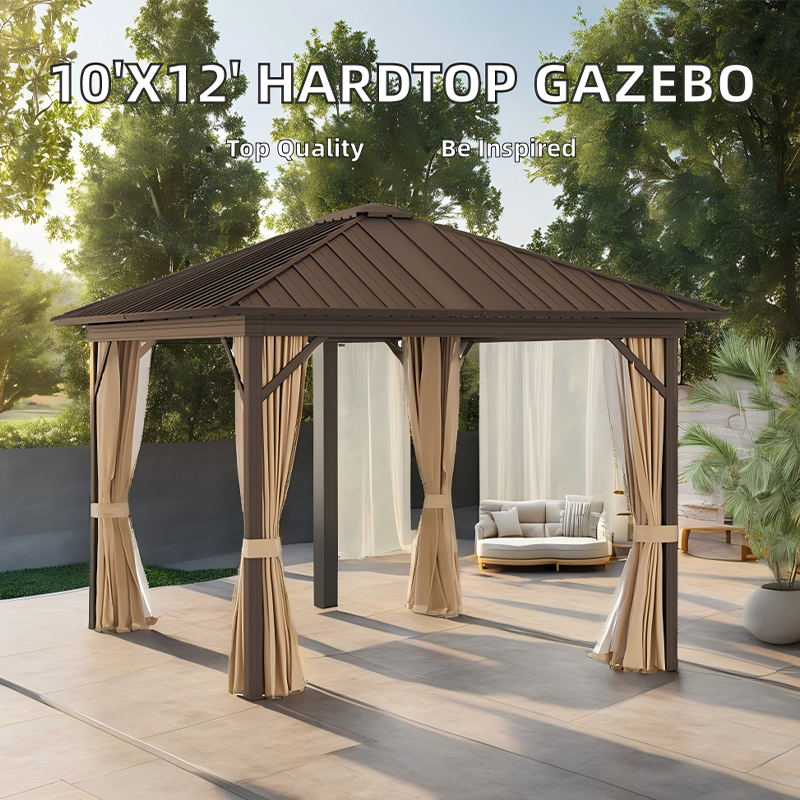
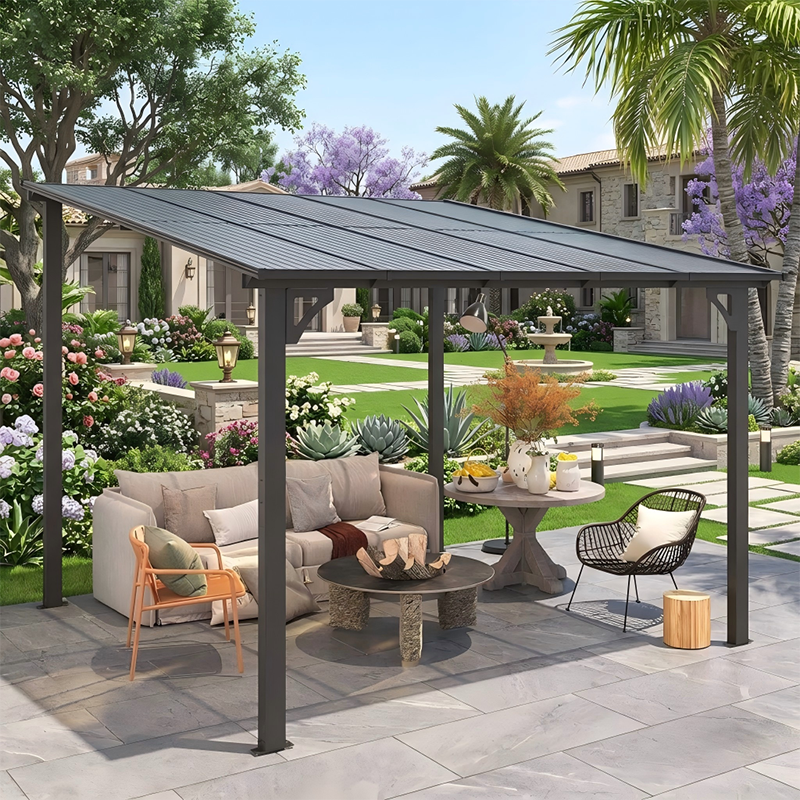
A hard top gazebo is a freestanding outdoor structure with a rigid, permanent roof, usually made from galvanized steel, aluminum, polycarbonate or wood, supported by a sturdy frame and posts. Unlike pop-up canopies or fabric-covered pavilions, the roof does not need to be taken down when the weather turns. It stays in place through rain, sun, wind and, in many models, heavy snow.
The design has roots in garden architecture going back centuries, but the modern hard top gazebo is a much more practical product. Powder-coated metal frames resist rust, engineered roof panels shed water efficiently, and many models ship as kits that two adults can assemble in a weekend. Today’s versions suit patios, decks, poolsides, gardens and even commercial spaces such as restaurants and wedding venues.
The appeal is simple. A hard top gazebo creates a defined outdoor room. It protects furniture, grills and hot tubs from the elements, extends the hours you can spend outside, and adds visual structure to a yard. Many homeowners also find it raises perceived property value, particularly when it is well integrated with landscaping and a patio.
Before you start comparing models, it helps to be clear about what you want the gazebo to do. A shaded dining area calls for different features than a hot tub enclosure or a quiet reading nook. Keep that purpose in mind as you work through the rest of this guide.
Hard Top Gazebo vs. Soft Top Gazebo
The first big decision is whether you really need a hard top. Soft top gazebos use a fabric canopy, typically polyester or Oxford cloth with a waterproof coating. They are cheaper and lighter, but they make different trade-offs.
Where hard tops win
- Durability: A quality metal roof can last 15 to 25 years or more, while fabric canopies commonly need replacing every two to five years.
- Weather resistance: Rigid roofs handle heavy rain, hail and snow load far better than stretched fabric, which can sag, pool water and tear.
- Year-round use: You can leave a hard top up all year. Most fabric canopies should be removed or protected in winter.
- Fixtures: You can mount ceiling fans, lights, speakers and heaters to a solid roof structure.
- Low upkeep: There is no canopy to wash, re-waterproof or replace.
Where soft tops win
- Price: Soft top models can cost half as much or less.
- Portability: They are easier to move, store or take to a new house.
- Light diffusion: Fabric can feel airier and softer, with a more casual look.
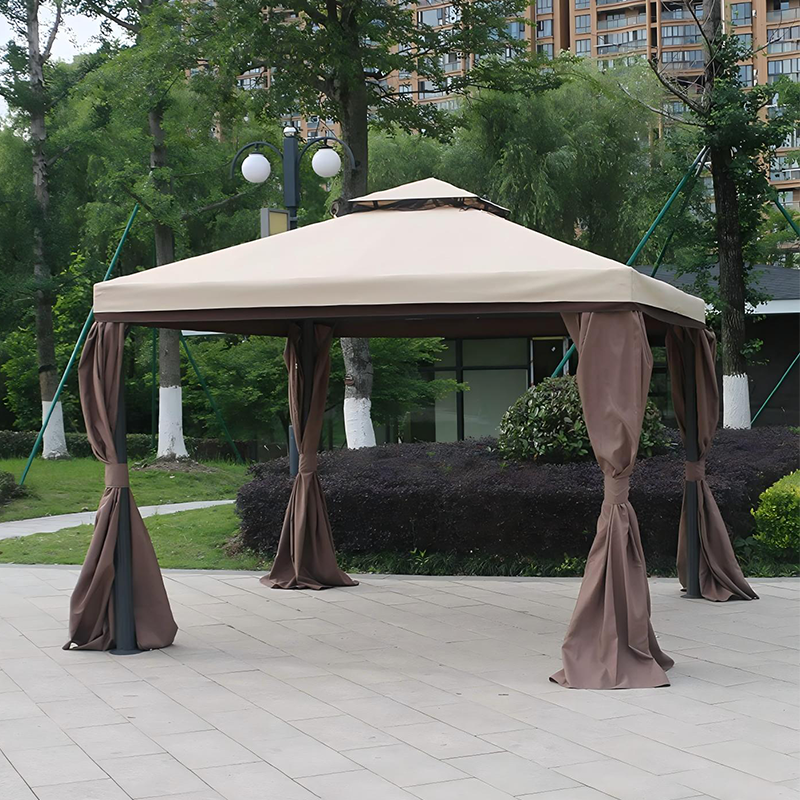
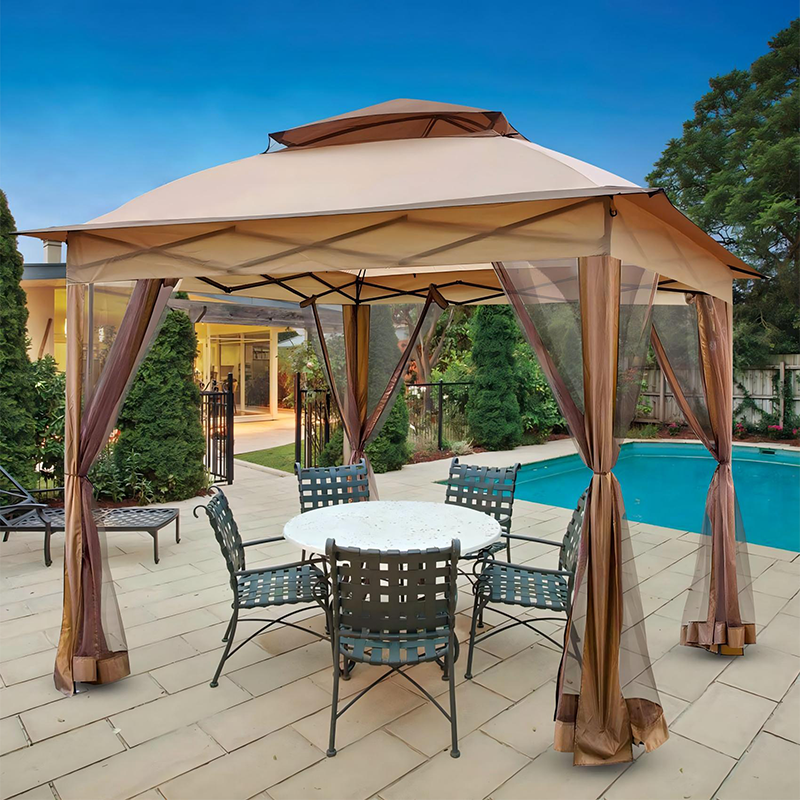
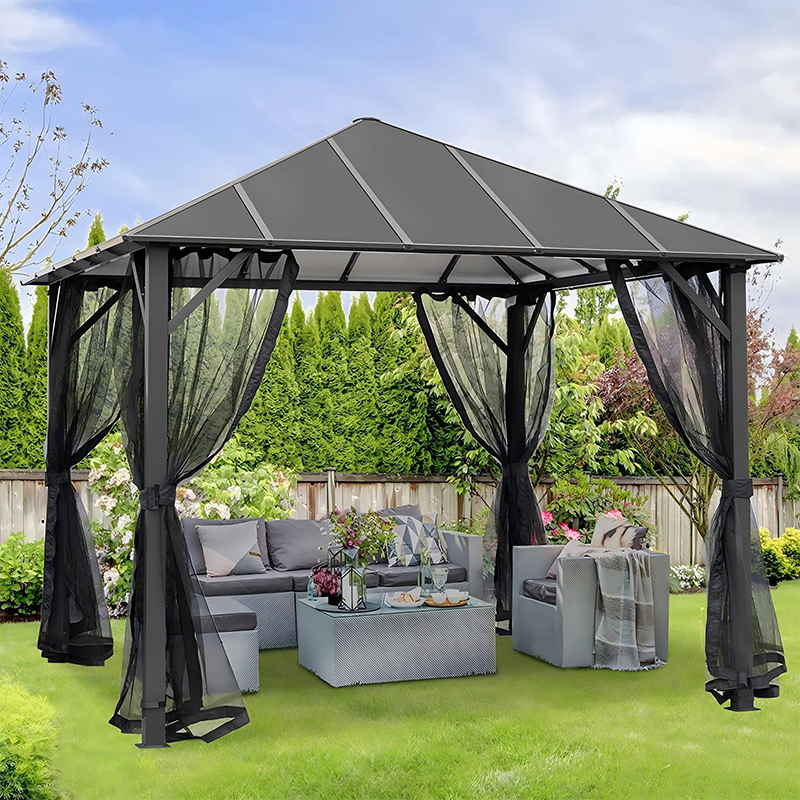
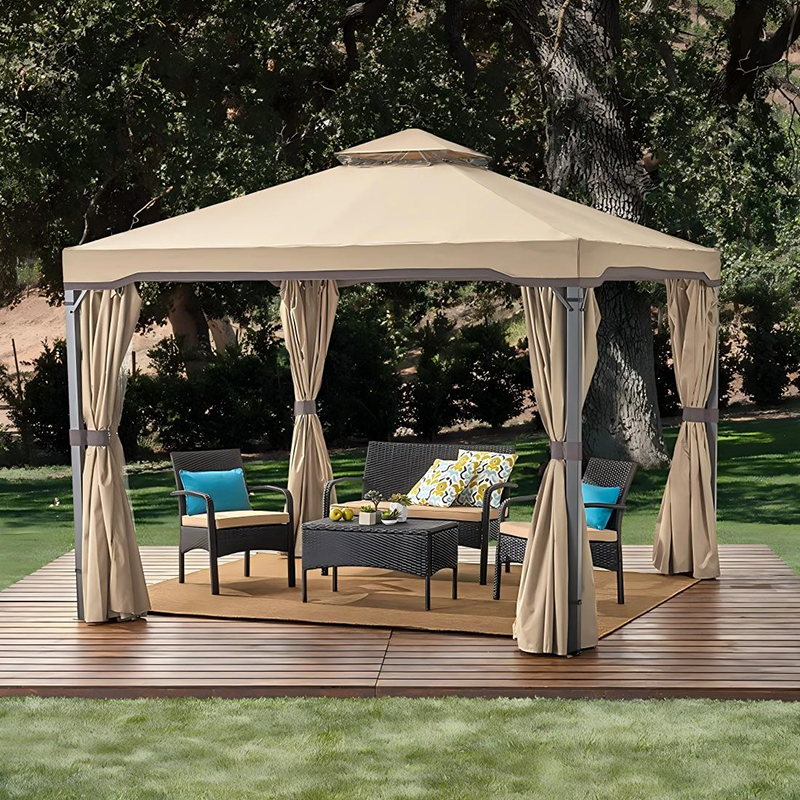
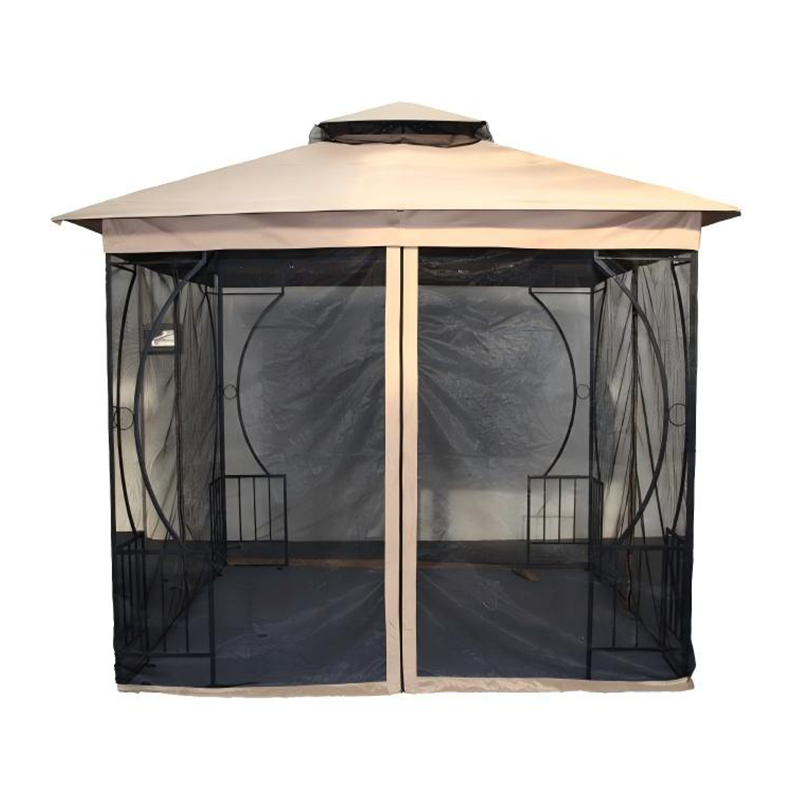
There are also hybrid options, such as hard top frames with removable curtains and mosquito netting, which give you the permanence of a solid roof with the flexibility to open or enclose the sides as needed.
Roof Materials Compared
The roof is the heart of any hard top gazebo, and it is where manufacturers differ the most. Each material affects weight, heat, noise, appearance and lifespan.
Galvanized steel roofs
Galvanized steel is the most common choice for mid-range hard top gazebos. The zinc coating protects against rust, and a powder-coated or painted finish adds color and further protection. Steel roofs are strong, handle snow loads well and are usually affordable. The main drawbacks are weight and rain noise. A heavy downpour on a thin steel panel can be loud, though double-layer or insulated designs reduce this considerably. Steel can also get hot in direct sun, so look for lighter colors or ventilated, two-tier roof designs that let hot air escape.
Aluminum roofs
Aluminum is lighter than steel and naturally corrosion resistant, which makes it excellent for coastal climates and humid regions. It is easier to assemble and does not rust even if the coating is scratched. The trade-off is that aluminum can be less rigid than steel at the same thickness and may dent more easily in hail. It usually costs more than comparable steel models, but the long-term maintenance is minimal.
Polycarbonate roofs
Twin-wall or multiwall polycarbonate panels let in diffused light while blocking most UV rays. They are a good fit for gardens, plant displays and dining spaces where you want brightness without harsh glare. They are quiet in the rain and lightweight, but they do not provide the same level of shade as an opaque metal roof. Look for panels with UV protection on the outer surface, as untreated polycarbonate can yellow and become brittle over time.
Wood and shingle roofs
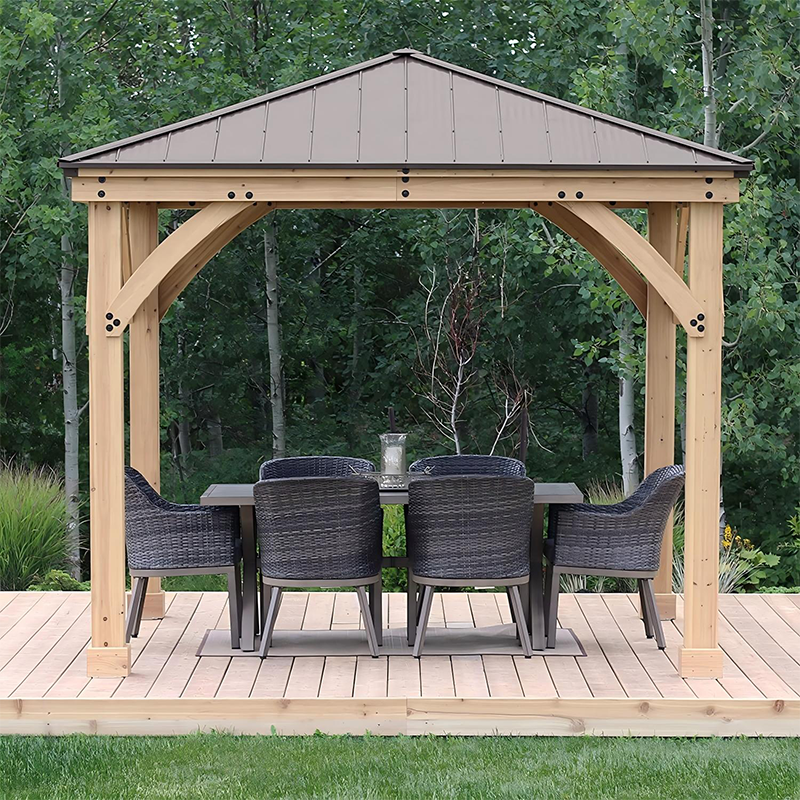
Wooden gazebos with shingle or cedar roofs offer a traditional, high-end look that blends beautifully into landscaped gardens. They also tend to be quiet and well insulated. They require the most maintenance, however, including periodic sealing or staining, and they are heavier and more expensive. They are best for buyers who value appearance and are happy to care for the structure.
Quick comparison
| Roof Type | Lifespan | Rain Noise | Maintenance | Best For |
|---|---|---|---|---|
| Galvanized steel | 15–25 years | Moderate | Low | All-round value, snowy areas |
| Aluminum | 20–30 years | Moderate | Very low | Coastal and humid climates |
| Polycarbonate | 10–15 years | Low | Low | Bright, light-filled spaces |
| Wood / shingle | 15–30 years | Low | High | Traditional garden settings |
Frame Materials: What Holds It All Up
A beautiful roof is only as good as the frame beneath it. The frame carries the weight of the roof, resists wind uplift and defines how long the gazebo will last.
Aluminum frames
Powder-coated aluminum is lightweight, rust-proof and low maintenance. It suits buyers who want a structure that looks clean and modern and who live in wet or salty environments. Look for thick-walled extrusions rather than thin tubing. Wall thickness of at least 1.5 mm to 2 mm for the main posts is a good benchmark for residential use.
Steel frames
Steel offers superior strength at a lower price point, which is why many large hard top gazebos use it. It resists bending in strong wind and carries heavy roof loads. The risk is rust if the coating is damaged, so check that the steel is galvanized and powder-coated, and plan to touch up any chips or scratches promptly.
Wood frames
Cedar, redwood and pressure-treated pine are common choices. Cedar and redwood contain natural oils that resist rot and insects. Wood frames look warm and natural, but they need regular sealing or staining and are more vulnerable to moisture, especially where posts meet the ground.
Vinyl and composite
Vinyl frames are popular for their clean white look and easy cleaning. They do not rot or need painting, but they can be less strong than metal in high wind unless reinforced with aluminum or steel inserts. Composite options combine wood fibers and plastic and offer a middle ground.
Choosing the Right Size, Shape and Placement
Start with how you will use it
Size is one of the most common reasons buyers end up unhappy. A gazebo that looks large in a product photo can feel cramped once you add furniture. As a practical guide, use these approximate footprints:
- 10 x 10 ft: A cozy seating area for two to four people, or a small bistro set.
- 10 x 12 ft: A comfortable lounge with a sofa and chairs, or a four-person dining table.
- 12 x 12 ft: A versatile size for six-person dining or a full conversation set.
- 12 x 16 ft and larger: Large entertaining areas, outdoor kitchens or hot tub enclosures.
Remember to leave about three feet of clear space around tables and seating so people can move around comfortably. For a hot tub, measure the tub itself and add at least three feet on every side for access and service.
Shape matters
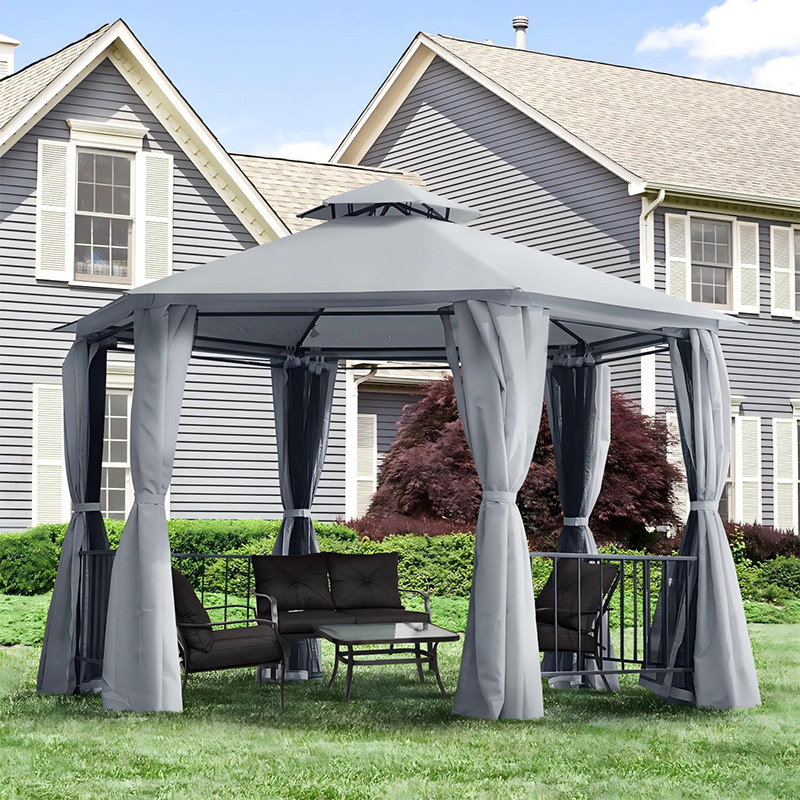
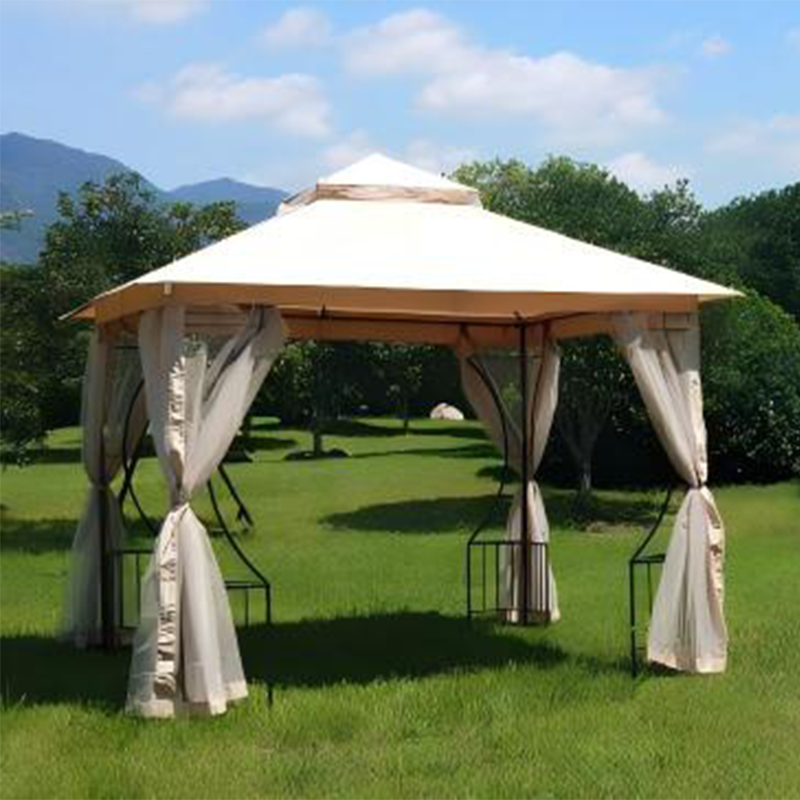
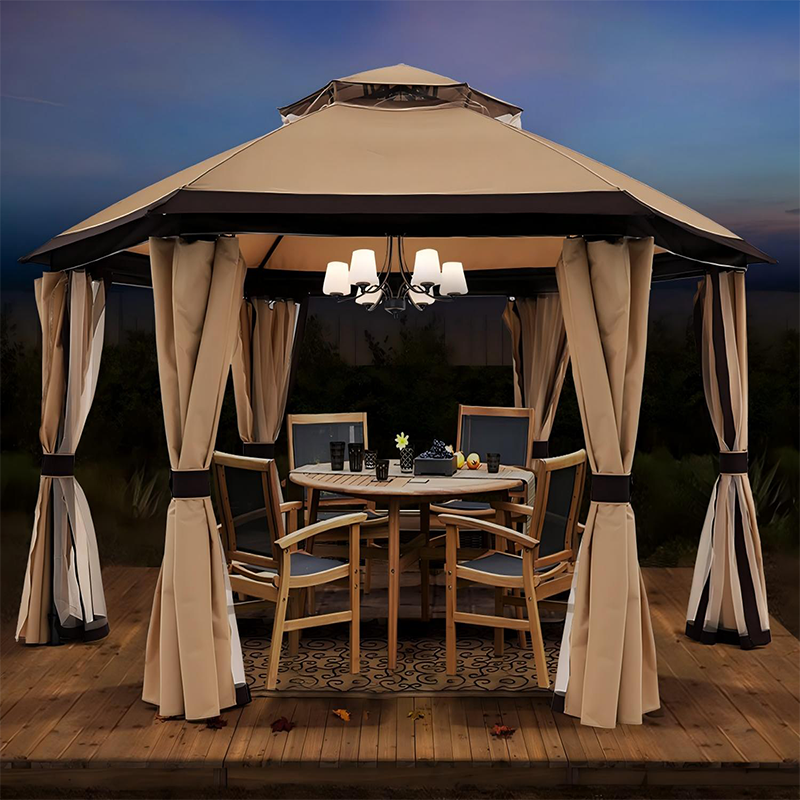
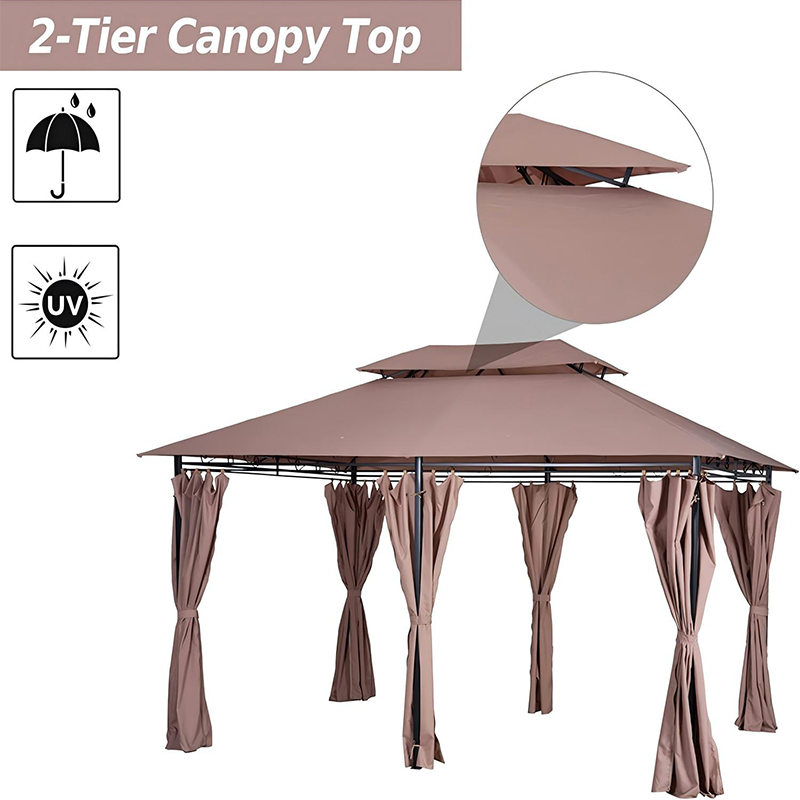
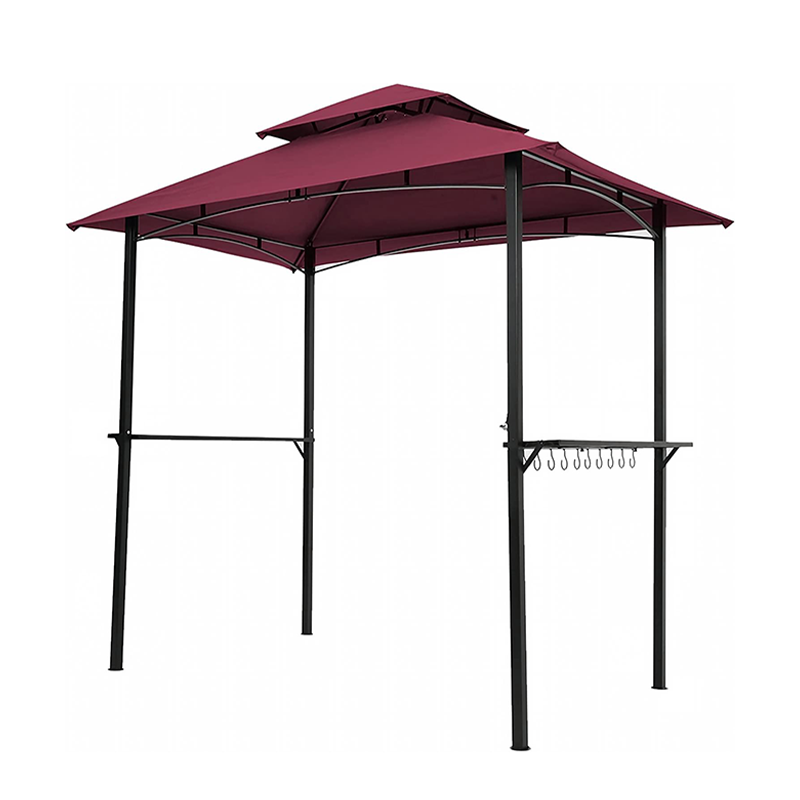
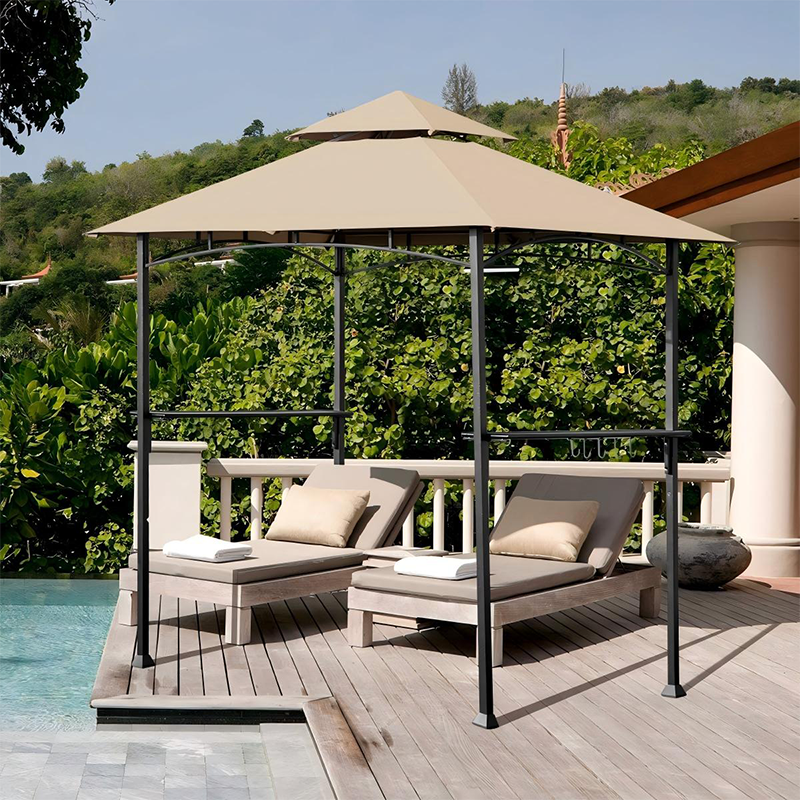
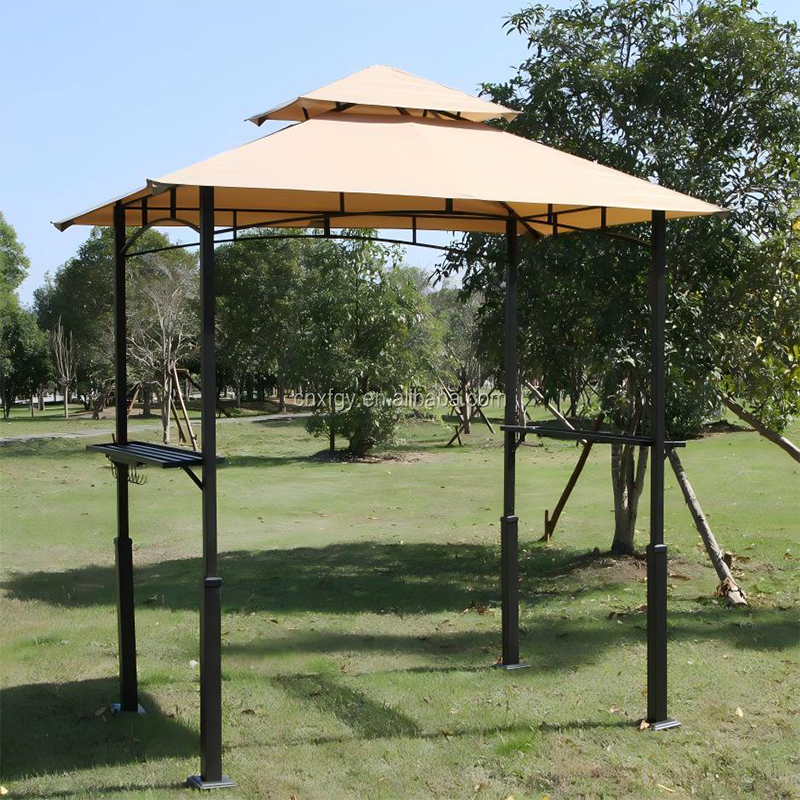
Square and rectangular gazebos make the most efficient use of space and are easier to furnish. Hexagonal and octagonal models are more decorative and work well as garden focal points, but their interior layouts can be awkward. Single-roof designs are simpler and cheaper, while double-tier roofs add ventilation and a more elegant profile.
Think about placement
Walk around your yard at different times of day. Notice where the sun falls in the morning and late afternoon, which direction the prevailing wind comes from, and how water drains after rain. Place the gazebo on level, well-drained ground. If you want it near the house, keep it far enough away to avoid blocking windows or draining roof water toward your foundation. Make sure you also have a clear path to power if you plan to add lighting or fans.
Finally, check the sightlines. A gazebo should enhance your best views and screen your least favorite ones, whether that is a neighbor’s fence or a utility box.
Features Worth Paying For
Many gazebos look similar in photos but differ greatly in the details. These are the features that make a real difference to comfort and longevity.
Double-tier vented roof
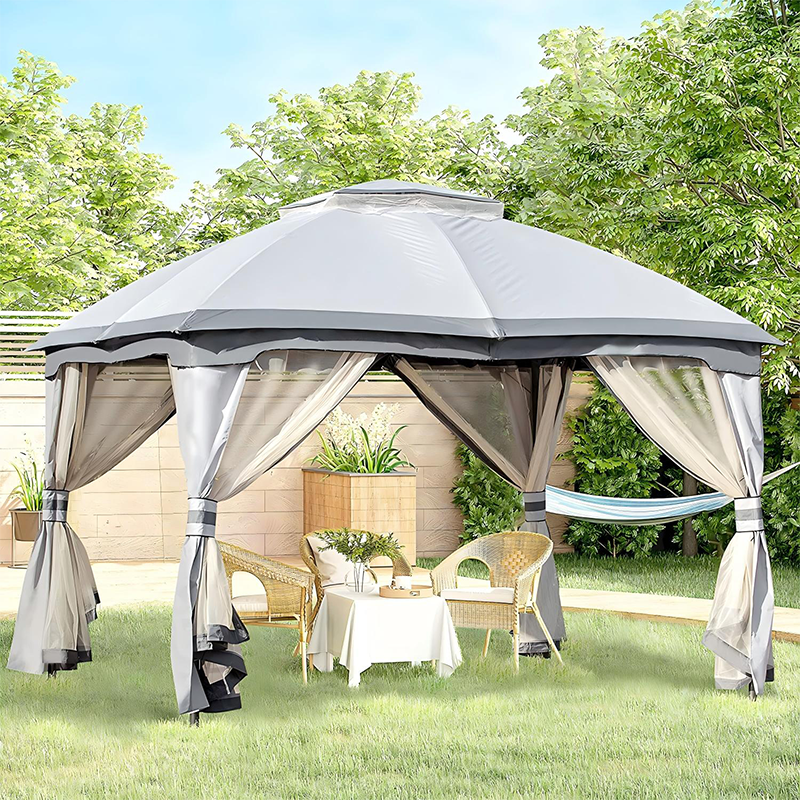
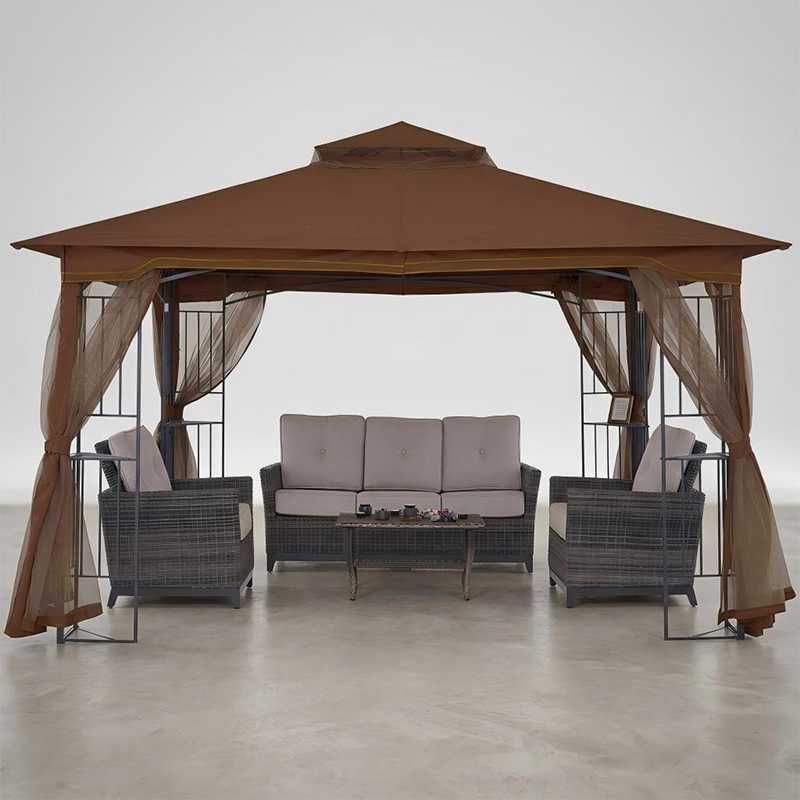
A two-level roof creates a gap at the top that lets hot air rise and escape. This keeps the interior cooler in summer and reduces condensation. It also gives the structure better wind performance because pressure can equalize through the vent.
Integrated gutters and drainage
Good gazebos direct water through hidden channels in the frame or into corner downspouts. This prevents water from dripping off the roof edge and splashing onto your furniture or patio.
Curtains and mosquito netting
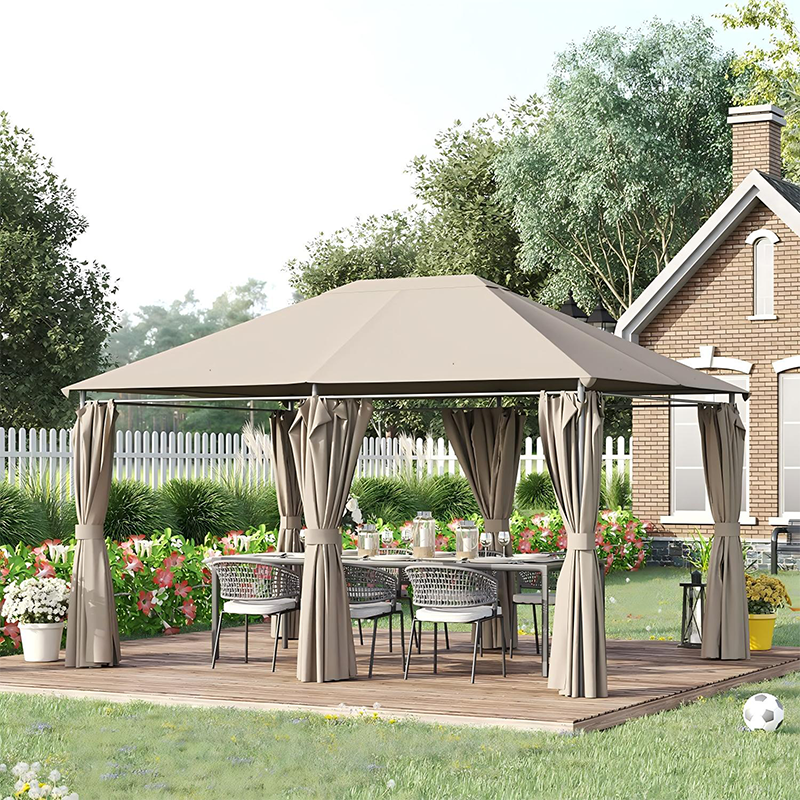
Removable side curtains give you privacy and block low-angle sun. Netting keeps insects out during evening hours. Look for curtain tracks that are integrated into the frame, since they hang more neatly than curtains tied with loose hooks.
Ground anchors and base plates
Safety begins at the ground. A hard top gazebo is a large, sail-like structure, and an unanchored one can lift in strong wind. Check that the base plates are thick, that there are sufficient anchor holes, and that the manufacturer supplies suitable hardware for your surface, whether that is concrete, pavers, decking or soil.
Lighting, fans and electrical options
Solid roof beams make it easy to mount a ceiling fan or LED lighting. If you plan to run electricity, hire a licensed electrician and use weatherproof, outdoor-rated fixtures and cables. Even without wiring, solar string lights and battery-powered fans can transform the space.
Warranty and spare parts
A strong warranty indicates confidence in the product. Look for at least a one-year warranty on the structure and a longer limited warranty on the frame and finish. Also confirm that replacement parts, such as brackets, panels and curtains, are available after purchase.
Budget and Pricing: What to Expect
Prices vary widely depending on size, materials and brand. The following ranges are typical for consumer hard top gazebos in the United States, though they will differ by retailer and season.
| Tier | Typical Price (10 x 12 ft) | What You Get |
|---|---|---|
| Entry level | $500 – $900 | Thin steel frame, basic galvanized roof, limited warranty |
| Mid range | $900 – $2,000 | Thicker steel or aluminum, double-tier roof, curtains and netting |
| Premium | $2,000 – $5,000+ | Heavy-duty aluminum or wood, high wind and snow ratings, longer warranty |
| Custom / built-in | $5,000 – $20,000+ | Contractor-built, permanent foundation, electrical and finishes |
Hidden costs to include
- Foundation: A concrete pad, gravel base or paver patio can cost several hundred to a few thousand dollars.
- Delivery: Large kits are heavy and may incur freight charges.
- Assembly: Professional installation commonly adds $300 to $1,000.
- Permits: Some localities require permits for structures over a certain size.
- Accessories: Furniture, lighting, curtains and fans can add up quickly.
The cheapest model is rarely the best value. A thin-framed gazebo that rusts or bends within three years costs more than a sturdier one that lasts fifteen. Aim for the best structure you can afford, and add accessories gradually.
Permits, Foundation and Installation
Check local rules first
Many people are surprised to learn that a gazebo can require a building permit. Rules vary by city and county, but common triggers include structures larger than 100 to 120 square feet, those with electrical wiring, or those attached to a house. Homeowners’ associations may also set rules on size, color and placement. A quick call to your local building department and a review of your HOA guidelines can save you from expensive corrections later.
Prepare a solid base
The foundation determines how stable and long-lasting your gazebo will be. The best options are:
- Concrete slab: The most stable and permanent choice. It allows secure anchoring with expansion bolts.
- Paver patio: Attractive and flexible, but pavers must be on a compacted base and the gazebo should be anchored through them or into footings.
- Wooden deck: Suitable if the deck is structurally sound. Anchor the posts into joists or blocking, not just the surface boards.
- Compacted gravel: A budget-friendly option for lighter structures, ideally combined with concrete footings or ground stakes at each post.
Assembly tips
Most kits require two to four people and four to eight hours. Lay out and count all hardware before you begin, assemble the frame on level ground, and leave bolts slightly loose until the structure is aligned, then tighten them fully. Install the roof on a calm day, since large roof panels can catch the wind. Wear gloves, because edges on metal parts can be sharp.
Maintenance: Keeping Your Gazebo Looking New
A hard top gazebo needs far less care than a fabric one, but a little regular attention goes a long way.
Seasonal routine
- Spring: Inspect all bolts and brackets, tighten anything loose, and wash the frame and roof with mild soap and water.
- Summer: Clear leaves and debris from the roof and gutters, and check curtains and netting for tears.
- Autumn: Remove leaves and pine needles before they stain or clog drainage. Touch up any chips in the paint.
- Winter: Brush off heavy snow with a soft broom or roof rake, and avoid hammering ice off metal surfaces.
Protecting the finish
Powder coating is tough, but not indestructible. Wash with a non-abrasive cleaner and avoid steel wool or harsh solvents. If you spot a scratch on a steel frame, clean the area, apply a rust-inhibiting primer, and cover it with matching touch-up paint as soon as possible. For wooden gazebos, reseal or restain every one to three years, depending on exposure.
Cleaning curtains and accessories
Wash outdoor curtains according to the manufacturer’s instructions, and let them dry completely before storing to prevent mildew. In regions with severe winters, taking curtains down and storing them indoors will extend their life significantly.
Common Mistakes to Avoid
- Buying on price alone. Thin frames and low-grade coatings fail early and often void the warranty when damaged by weather.
- Ignoring wind and snow ratings. If you live in a stormy or snowy area, choose a gazebo with documented ratings for your conditions.
- Skipping anchoring. This is the most dangerous mistake, and the one most commonly reported after storms.
- Picking the wrong size. Mark the footprint on the ground with tape or paint and place your furniture inside before you buy.
- Forgetting permits and HOA rules. Being forced to remove or modify a finished structure is costly and frustrating.
- Poor site selection. Low-lying ground collects water, and spots under tree branches invite debris and storm damage.
- Overlooking the return policy. Large items can be difficult to return. Read the terms before ordering, and inspect the delivery promptly.
- Not planning for electricity. Adding wiring later is more expensive than planning conduit and outlets while the base is being prepared.
Your Final Buying Checklist
Before you click the buy button, run through this list.
- I know the main purpose of the gazebo and who will use it.
- I have measured the space and marked the footprint on the ground.
- I have checked local permit rules and HOA requirements.
- I have chosen a roof and frame material suited to my climate.
- The wind and snow ratings match local conditions.
- I have a plan for the foundation and anchoring.
- I have budgeted for delivery, assembly and accessories.
- I have read the warranty and return policy.
- I have confirmed that replacement parts are available.
- I have read recent customer reviews, including photos from real yards.
If you can tick every box, you are ready to buy with confidence.
Frequently Asked Questions
How long does a hard top gazebo last?
With proper care, a good galvanized steel or aluminum gazebo can last 15 to 25 years or more. Entry-level models with thin frames may last only five to ten years, especially in harsh weather.
Can a hard top gazebo stay up all winter?
Yes, provided it has an adequate snow load rating and is properly anchored. Remove heavy snow buildup with a soft broom or roof rake, and take down curtains and netting to protect them from freezing conditions.
Do I need a permit to install one?
It depends on where you live and how large the structure is. Many areas require permits above about 100 to 120 square feet, or if electrical work is involved. Contact your local building department before purchase.
Is a metal roof too hot or too noisy?
Single-layer metal can warm up in full sun and sound loud in heavy rain. Double-tier vented roofs, lighter colors and insulated panels greatly reduce both issues. A ceiling fan also helps considerably.
Can I put a hot tub under a hard top gazebo?
Yes, and it is one of the most popular uses. Choose a model with enough height, ideally at least eight feet to the roof beams, and a size that leaves access space on all sides. Make sure the foundation can support the tub’s full weight when filled.
Can I assemble it myself?
Most consumer kits are designed for DIY assembly with two to four people. If the model is large, or you are not comfortable working at height, hiring a professional is a worthwhile investment.
What is the best size for a family?
For a family of four to six who want to dine and relax outdoors, a 12 x 12 ft or 10 x 12 ft gazebo usually offers the right balance of space and cost.
Final Thoughts
A hard top gazebo is more than a piece of outdoor furniture. It is a long-term addition to your home that shapes how you spend your time outside. The best purchase starts with an honest look at how you will use the space, then matches the roof, frame, size and features to your climate and budget. Invest in solid materials, anchor the structure properly, and care for it through the seasons, and it will reward you with shade, shelter and gathering space for many years.
Take your time, measure carefully, compare specifications rather than photos, and do not be afraid to ask sellers detailed questions. The right gazebo is out there, and with the knowledge in this guide, you are well equipped to find it.
Ready to Find Your Perfect Hard Top Gazebo?
Browse our collection of durable, weather-ready gazebos built for every yard and every budget.

 +86-576-85121258
 sales1@xinfaoutdoor.com
 Furong Village, Gucheng Street, Linhai, Taizhou City, Zhejiang, China
