 Get in touch
 en
 English
 Français
 Español
 Deutsch
 عربى
 Nederlands

Choose Hard Top Gazebo or Soft Top Gazebo?
Content
- 1 Hard Top Gazebo or Soft Top Gazebo
- 2 What Is a Hard Top Gazebo and How Is It Built
- 3 What Is a Soft Top Gazebo and How Is It Built
- 4 Hard Top Gazebo vs Soft Top Gazebo: Side by Side
- 5 Weather Performance: Wind, Rain, Snow, and Sun
- 6 Cost Over Time: An Illustrative Comparison
- 7 Setup, Anchoring, and Local Rules
- 8 How to Choose: A Practical Decision Guide
- 9 Care and Maintenance Tips
- 10 Frequently Asked Questions
- 10.1 1. Which is better, a Hard Top Gazebo or a Soft Top Gazebo?
- 10.2 2. How long does a Soft Top Gazebo canopy last?
- 10.3 3. Can a Hard Top Gazebo handle snow?
- 10.4 4. Is a Hard Top Gazebo fully waterproof?
- 10.5 5. Do I need to anchor a Soft Top Gazebo?
- 10.6 6. What size gazebo do I need?
- 10.7 7. Do I need a permit for a gazebo?
- 10.8 8. Is a steel or aluminium frame better?
- 10.9 9. Can I use a Soft Top Gazebo in winter?
- 10.10 10. Which is cooler in summer, a Hard Top Gazebo or a Soft Top Gazebo?
Hard Top Gazebo or Soft Top Gazebo
Choose a Hard Top Gazebo if you want a permanent, year round outdoor room that handles rain, sun, and moderate snow with little setup. Choose a Soft Top Gazebo if budget, portability, or flexibility matter more, or if you only need seasonal shade. A hard top uses a rigid metal or polycarbonate roof, so it stays in place and needs very little day to day attention. A soft top uses a fabric canopy over a frame, so it costs less up front, goes up faster, and can be taken down or stored, but the fabric wears out and needs more care in bad weather.
A useful rule of thumb is this: if the gazebo will stay in the same spot and be used for more than about six months a year, a hard top usually pays off. If you need shade for a season, an event, or a rented property, a soft top is usually the better value. The sections below compare construction, weather performance, cost over time, setup, and local rules, so you can match the structure to your site and your budget.
What Is a Hard Top Gazebo and How Is It Built
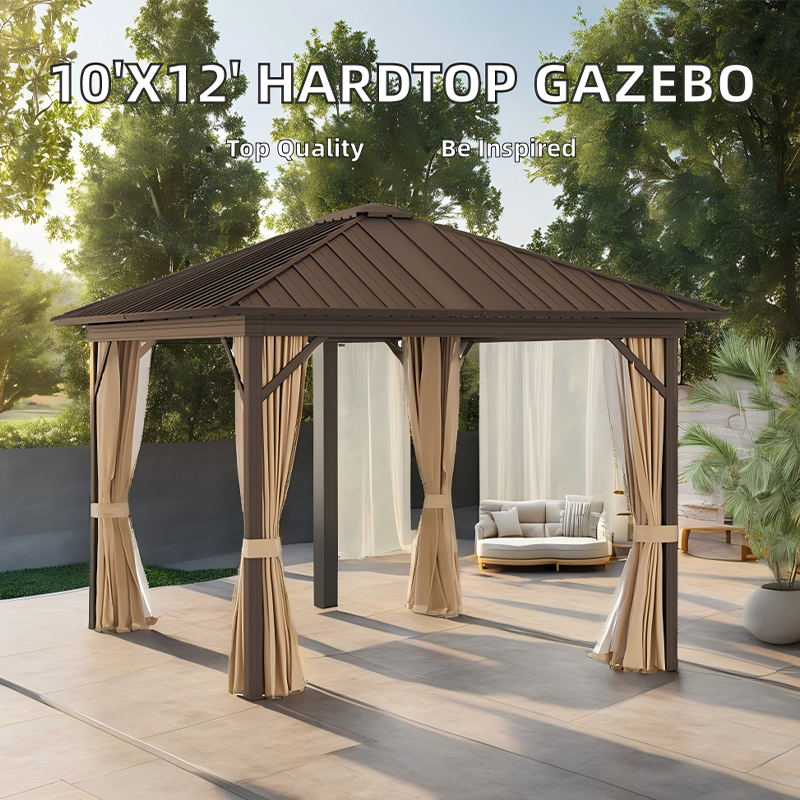
A Hard Top Gazebo is a freestanding or anchored outdoor structure with a solid roof, usually supported by four or more posts. The roof is rigid, so it does not sag, flap, or need to be removed when the weather turns. Most hard tops sold for homes have a one or two tier roof with a gap or vent between the tiers to let hot air escape and reduce wind uplift.
Roof Materials
- Galvanized steel roofing: strong and affordable, and it blocks light and sun completely. It can be noisy in heavy rain and can radiate heat in direct sun.
- Aluminium roofing: lighter than steel and naturally resistant to rust, which suits wet and coastal areas.
- Polycarbonate panels: let light through while blocking most UV, so the space feels bright. They are quieter in rain than bare metal but can trap more heat without ventilation.
Frame and Size Options
Frames are made from powder coated steel or aluminium. Steel is stronger for the price but needs its coating kept intact to avoid rust. Aluminium costs more but is lighter and does not rust. Common sizes are 3 by 3 metres (10 by 10 feet, about 9 square metres), 3 by 3.6 metres (10 by 12 feet, about 10.8 square metres), and 3.6 by 4.9 metres (12 by 16 feet, about 17.6 square metres). A 3 by 3.6 metre unit typically seats about six to eight people around a dining table. Steel hard tops often weigh roughly 100 to 250 kilograms, which gives good stability but means you need help to assemble them.
What Is a Soft Top Gazebo and How Is It Built
A Soft Top Gazebo has a fabric canopy stretched over a metal frame. The fabric is usually polyester with a waterproof coating, often marketed with UV protection such as UPF 50 plus. Quality canopies commonly range from about 160 to 300 grams per square metre, and a heavier, better coated fabric resists tearing, sagging, and fading for longer.
Pop Up and Permanent Frame Types
- Pop up soft top: a folding scissor frame that opens in a few minutes. Best for markets, events, and camping. Light frames are the weakest part, so choose thicker legs and a sturdy hub if you plan frequent use.
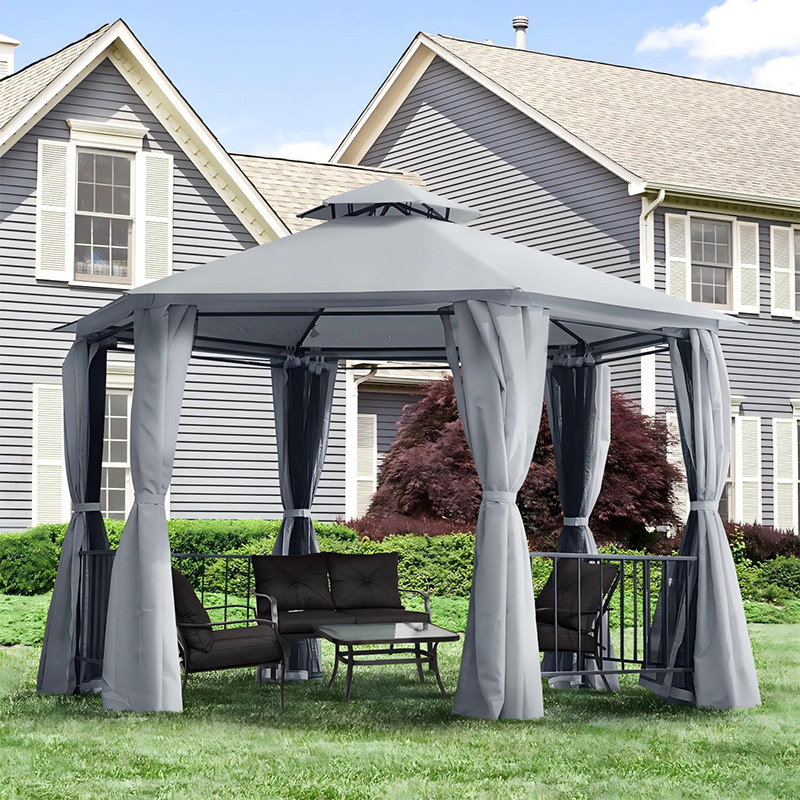
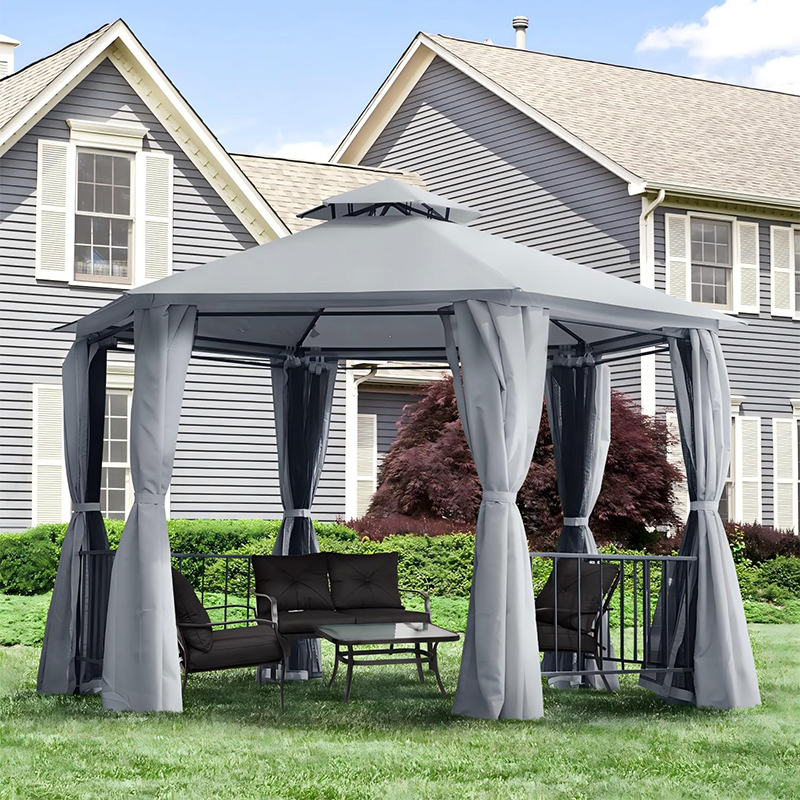
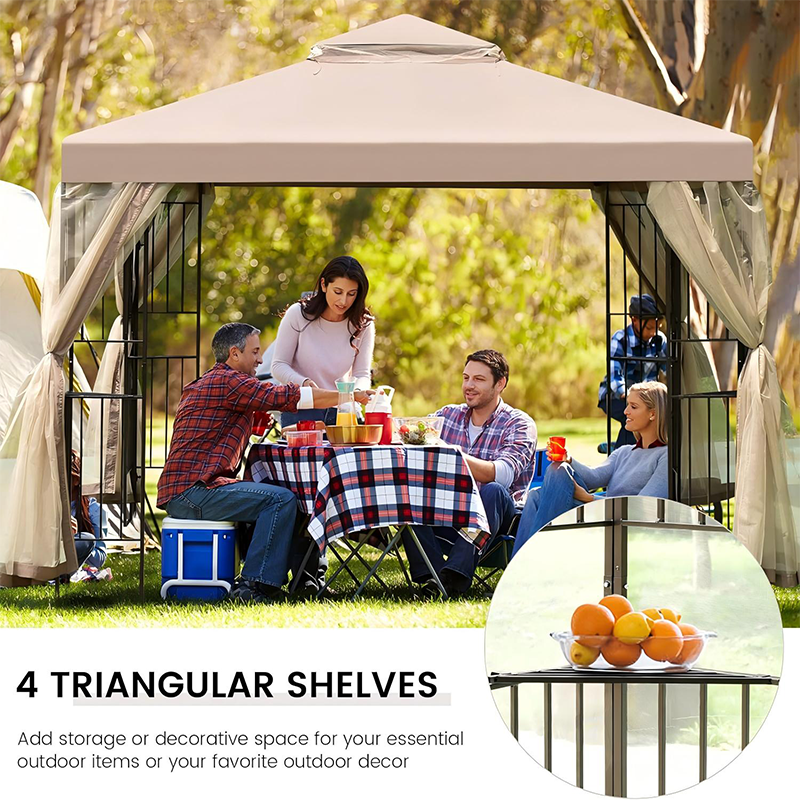
- Permanent frame soft top: a fixed steel or aluminium frame with a removable or replaceable canopy, often with side curtains and mosquito netting. It stays up through the season, and the canopy can be taken off for storage in winter.
Soft tops usually go up in 30 to 60 minutes with two people for a permanent frame model, and much faster for pop up types. That speed and the lower price are the main reasons buyers choose them.
Hard Top Gazebo vs Soft Top Gazebo: Side by Side
| Criterion | Hard Top Gazebo | Soft Top Gazebo |
|---|---|---|
| Purchase price | Higher | Lower |
| Rain and sun protection | Excellent, rigid roof | Good when new, fabric ages |
| Snow handling | Better, check the stated snow rating | Poor, remove canopy or brush off snow |
| Setup time | Several hours, two or more people | Minutes to about an hour |
| Portability | Low, usually a fixed location | High, can be moved or stored |
| Roof life | Often 10 years or more | Canopy often 2 to 5 years in strong sun |
| Noise in rain | Louder, especially bare metal | Quieter |
| Best fit | Permanent patio or deck room | Seasonal shade, events, rentals |
Weather Performance: Wind, Rain, Snow, and Sun
Wind
Wind is the biggest risk for any gazebo, because a roof catches wind like a sail. A Hard Top Gazebo is heavier and, when anchored properly, resists uplift better. A Soft Top Gazebo is lighter and more exposed, so it must be anchored firmly and the canopy should be removed or the structure taken down when strong winds are forecast. Manufacturers publish wind limits, and those figures should guide you more than the appearance of the frame. Never rely on tent pegs alone on hard ground. Use proper anchors, and add weights as an extra measure, not a substitute.
Rain and Snow
A rigid roof sheds water and, when ratings allow, supports snow. Check the stated snow load before you rely on any roof in a snowy region, and brush heavy snow off both types when it builds up. Soft top canopies can pool water if the fabric sags, which adds weight and strain on the frame. Tighten the canopy and keep the pitch steep enough to shed water, and remove the fabric before heavy snow.
Sun and Heat
Fabric canopies block most UV, especially with a dark or coated surface, and let hot air escape through a vented top. Steel hard tops block all sun but can radiate heat, so choose a double tier roof with a vent. Polycarbonate roofs keep the space bright but need ventilation or a shade layer in hot climates. Curtains, netting, and a ceiling fan point improve comfort for either type.
Cost Over Time: An Illustrative Comparison
Price tags only tell part of the story. The example below is illustrative, not market data. It assumes a quality powder coated frame that lasts 10 years in both cases, a canopy replacement every three years for the soft top, and minor touch up and sealant costs for the hard top.
| Cost Item | Hard Top Gazebo | Soft Top Gazebo |
|---|---|---|
| Purchase price | 1,400 USD | 350 USD |
| Replacement canopies (years 3, 6, 9) | 0 USD | 360 USD (3 x 120 USD) |
| Touch up and sealant over 10 years | 100 USD | 0 USD |
| Total over 10 years | 1,500 USD | 710 USD |
| Cost per year | 150 USD | 71 USD |
On paper the soft top is cheaper per year. But usage matters. If you take the soft top down for six months and use the hard top for 12, the cost per month of use is about 11.8 USD for the soft top and 12.5 USD for the hard top, nearly the same. Add the convenience of a roof that is always ready, and the hard top can be good value for owners who use the space often. Swap in your own prices and hours of use to see which suits you.
Setup, Anchoring, and Local Rules
- Foundation: place either type on a flat, firm surface such as concrete, pavers, or a solid deck. A hard top should be bolted down with expansion anchors on concrete or fixed to the deck frame, not just weighted.
- Weights for soft tops: where drilling is not possible, use heavy leg weights or sandbags, commonly 10 to 25 kilograms per leg, and treat them as a minimum for light winds.
- Assembly: allow two or more people. A hard top roof is heavy and awkward, so work from a stable ladder and follow the torque and bolt instructions.
- Permits and rules: many councils and homeowner associations treat a gazebo with a permanent roof as an accessory structure, and rules often change above a size threshold, commonly around 10 square metres (about 120 square feet). Check local rules, setbacks, and any electrical requirements before you build.
How to Choose: A Practical Decision Guide
- Decide how long it will stay up. Year round and fixed means a hard top. Seasonal or moved means a soft top.
- Check your climate. Heavy snow, strong winds, or constant rain favor a hard top. Mild, dry weather suits a soft top.
- Set a budget over several years. Compare the cost per year, not only the price tag.
- Choose a size from your use. Plan about 3 by 3.6 metres for a dining table for six to eight, and larger for lounge furniture.
- Confirm local rules and the surface. A permanent roof may need approval, and you need a firm base either way.
- Pick the frame material. Aluminium for coastal or wet areas and lighter handling. Powder coated steel for strength at lower cost.
Care and Maintenance Tips
- Wash soft top canopies with mild soap and water, rinse well, and dry fully before storage to prevent mold.
- Inspect seams, zippers, and tension straps each season, and replace worn parts early.
- On hard tops, clear leaves and debris from the roof and gutters, and touch up chipped paint to stop rust.
- Check bolts and anchors each year, and tighten any that have loosened after storms.
- Lower or remove the canopy before severe weather, and never stand under any gazebo during lightning.
Frequently Asked Questions
1. Which is better, a Hard Top Gazebo or a Soft Top Gazebo?
A Hard Top Gazebo is better for a permanent, year round space, with stronger weather protection and a longer roof life. A Soft Top Gazebo is better for lower cost, easy setup, and flexibility. Choose by how long it will stay up and the weather at your site.
2. How long does a Soft Top Gazebo canopy last?
Commonly 2 to 5 years in strong sun, depending on fabric weight, coating quality, and how it is stored. Taking the canopy down in winter and keeping it dry extends its life.
3. Can a Hard Top Gazebo handle snow?
Many can, within the stated snow rating. Check the manufacturer's snow load figure, make sure the frame is anchored, and brush off heavy snow, especially in the first season.
4. Is a Hard Top Gazebo fully waterproof?
The roof sheds rain well, but side gaps can let in wind driven rain. Curtains, netting, or side panels improve protection, and sealing the roof joints reduces leaks.
5. Do I need to anchor a Soft Top Gazebo?
Yes. Anchor it to the ground where possible, and add weights as a backup. Remove the canopy or take the structure down when strong winds are forecast.
6. What size gazebo do I need?
A 3 by 3 metre unit (10 by 10 feet) suits a small table for four. A 3 by 3.6 metre unit (10 by 12 feet) seats about six to eight. Choose larger if you also want lounge seating or a grill area.
7. Do I need a permit for a gazebo?
It depends on your location. Permanent roofed structures, especially above a size threshold of around 10 square metres, may need approval or may have setback rules. Check with your local authority or association before building.
8. Is a steel or aluminium frame better?
Aluminium does not rust and is lighter, which suits wet and coastal areas. Powder coated steel is stronger for the price, but needs its coating kept intact. Both work well when properly protected.
9. Can I use a Soft Top Gazebo in winter?
Only in mild conditions. Snow loads and strong winter wind can damage the canopy and frame. In snowy regions, remove the canopy and store it, or choose a Hard Top Gazebo.
10. Which is cooler in summer, a Hard Top Gazebo or a Soft Top Gazebo?
A vented fabric canopy lets hot air escape and usually stays comfortable. Steel hard tops can radiate heat, and polycarbonate can trap it, so pick a double tier roof with a vent and add a fan or curtains for comfort.
-
 Hardtop Garden Gazebo with Curtains
-
 Soft Top Garden Gazebo with Netting
-
 Double Tier Gazebo with Corner Shelves
-
 Outdoor Party Canopy for Lawn Garden
-
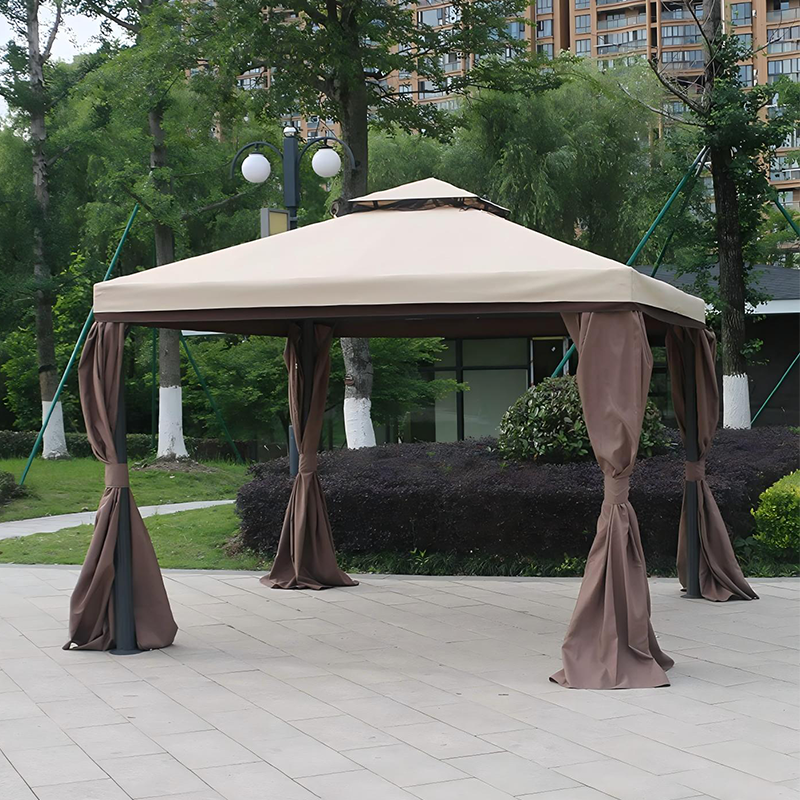 Soft Top Patio Gazebo with Curtains
-
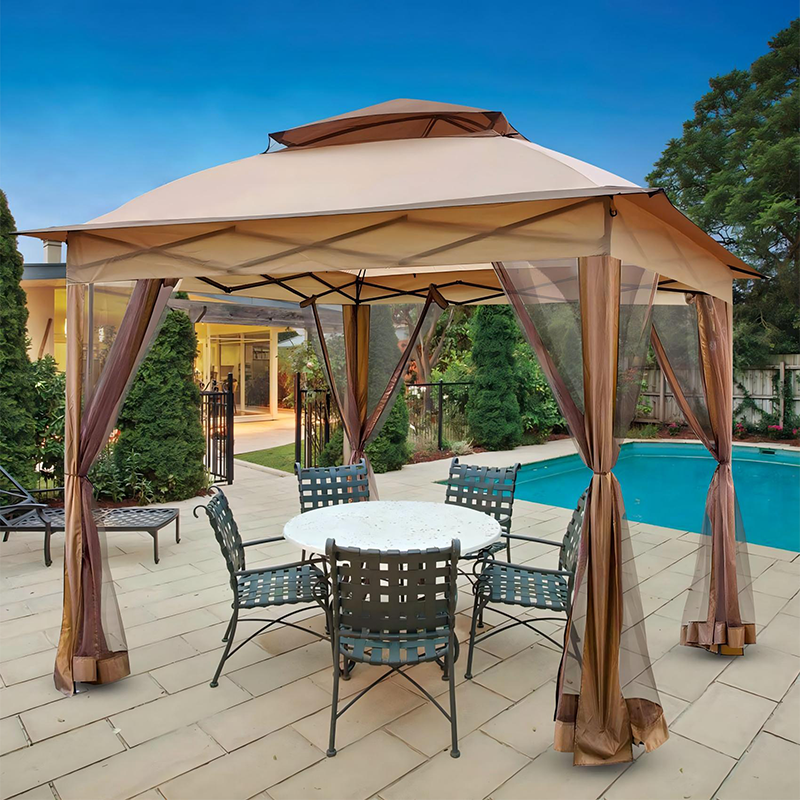 Double Tier Soft Top Gazebo
-
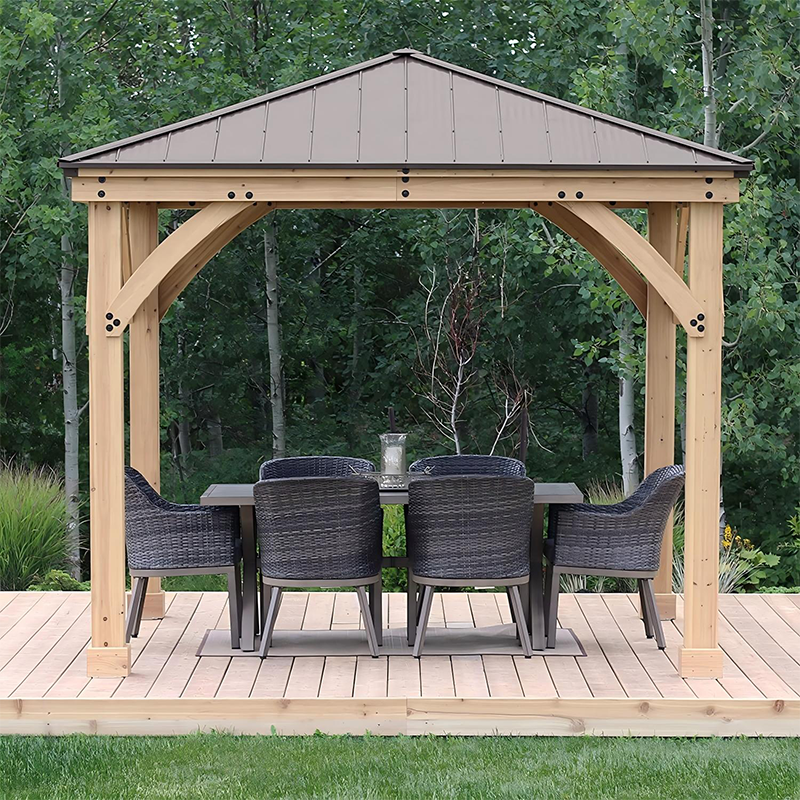 Wooden Frame Gazebo with Metal Roof
-
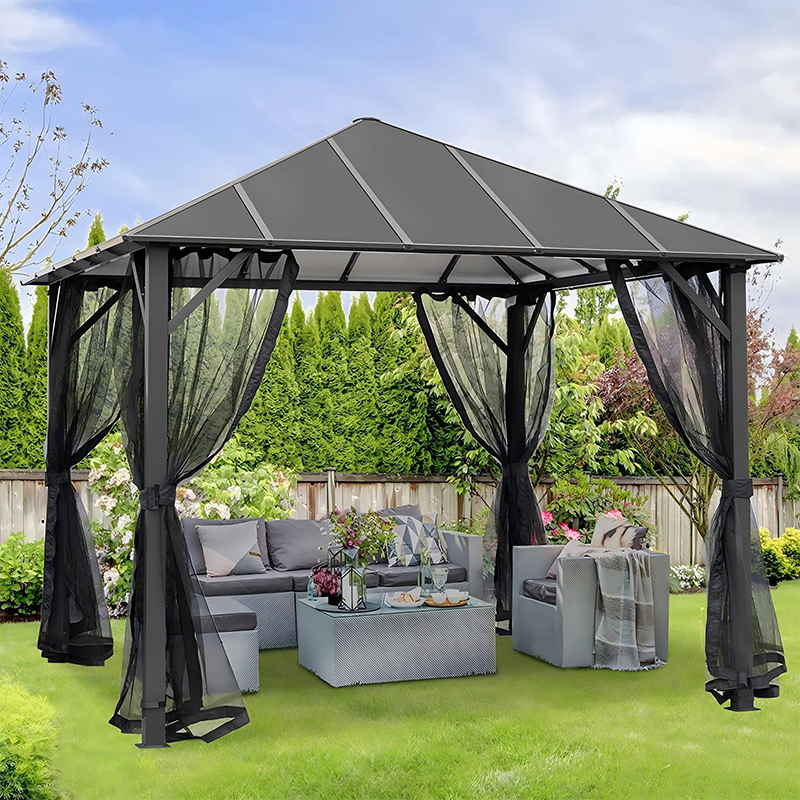 Polycarbonate Hardtop Gazebo with Netting
-
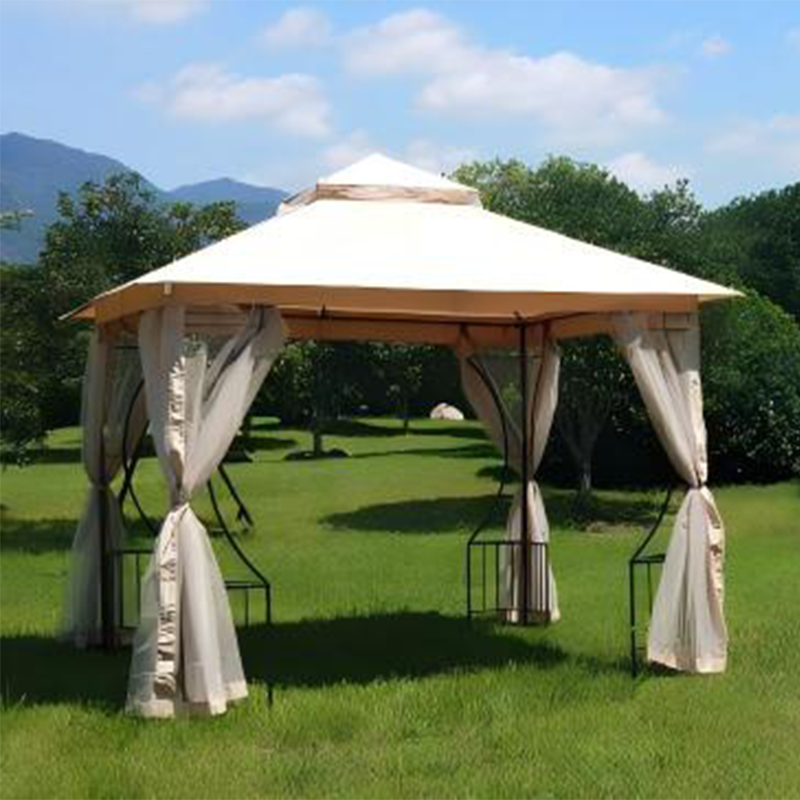 Soft Top Gazebo with Corner Shelves
-
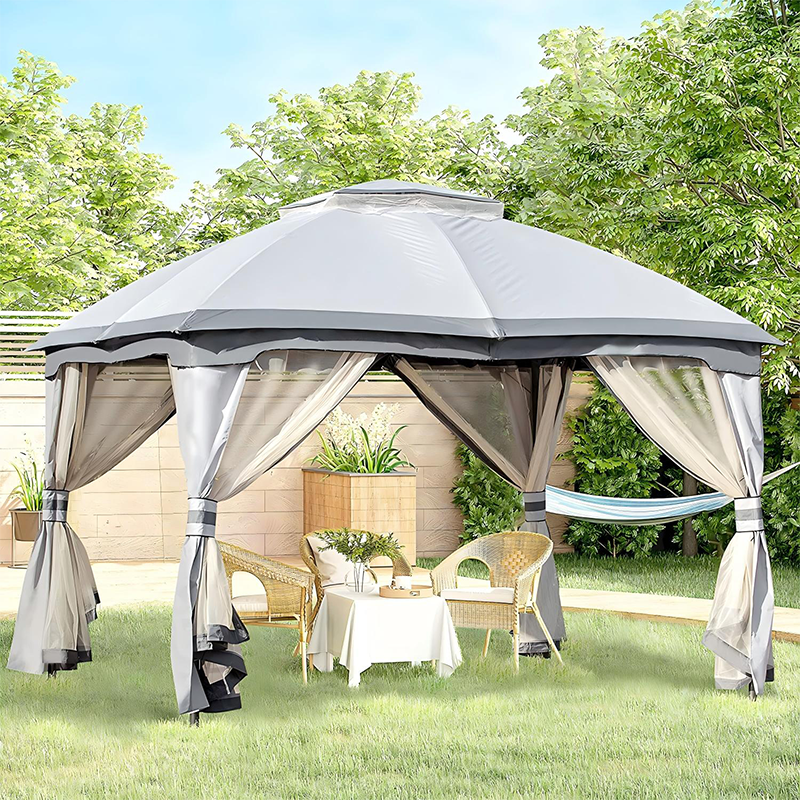 Grey Soft Top Gazebo with Netting
-
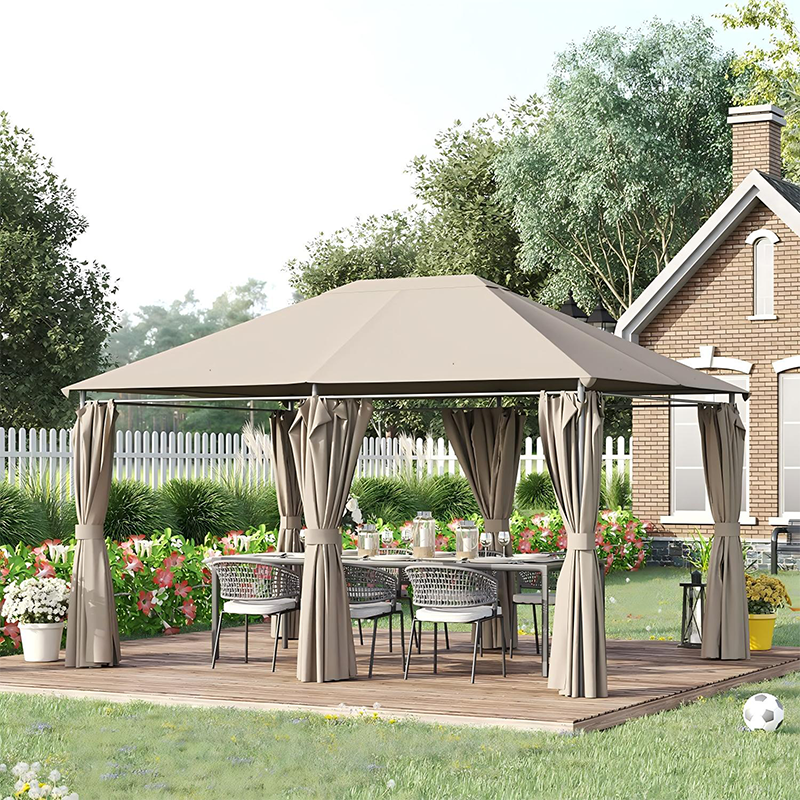 Tan Soft Top Gazebo with Curtains
-
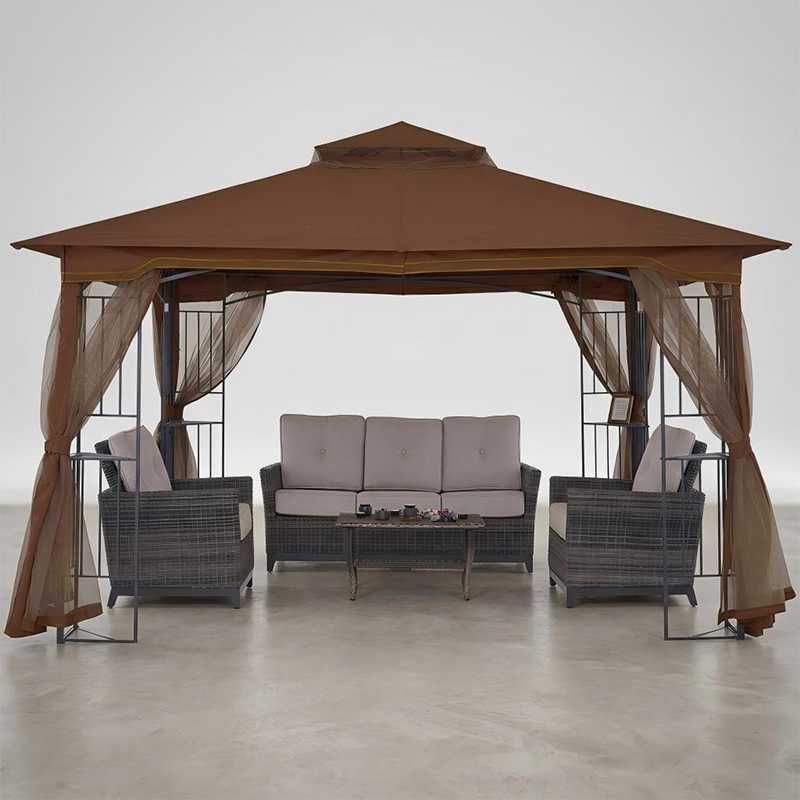 Brown Soft Top Gazebo with Shelves
-
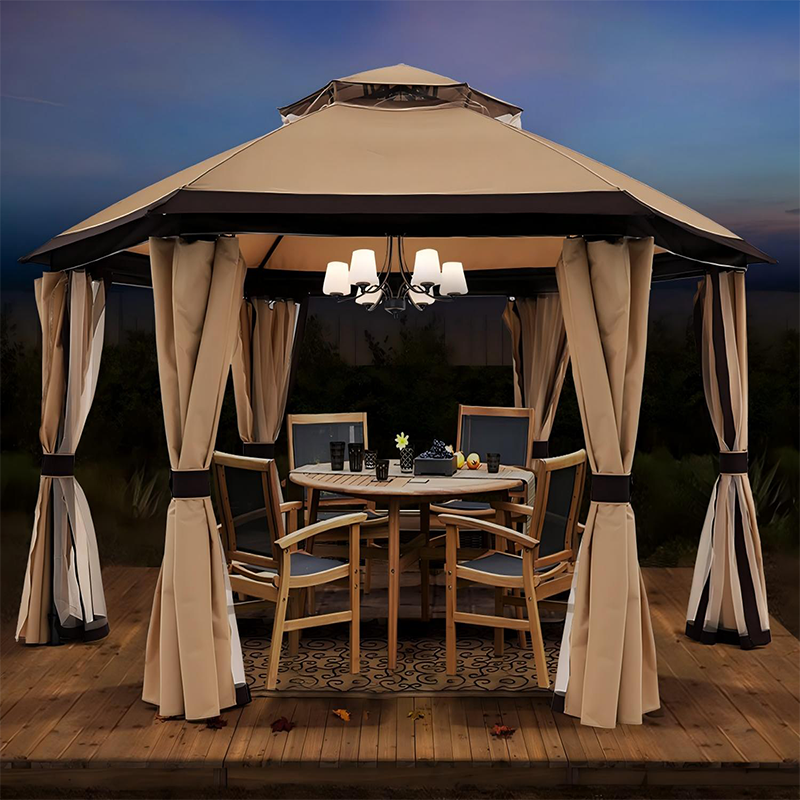 Garden Gazebo with Curtains and Netting
-
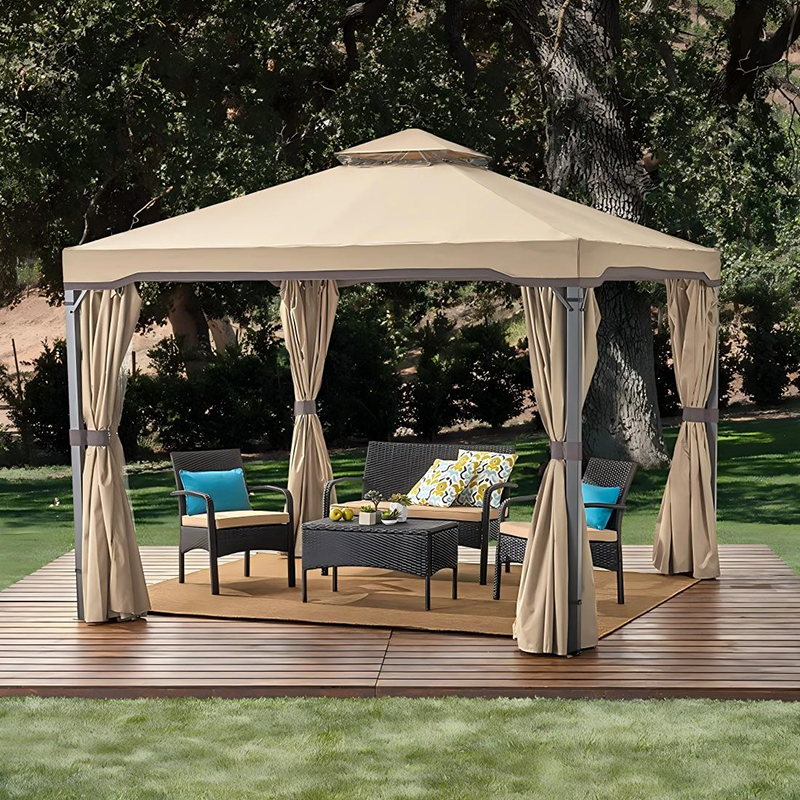 Beige Soft Top Gazebo with Curtains
-
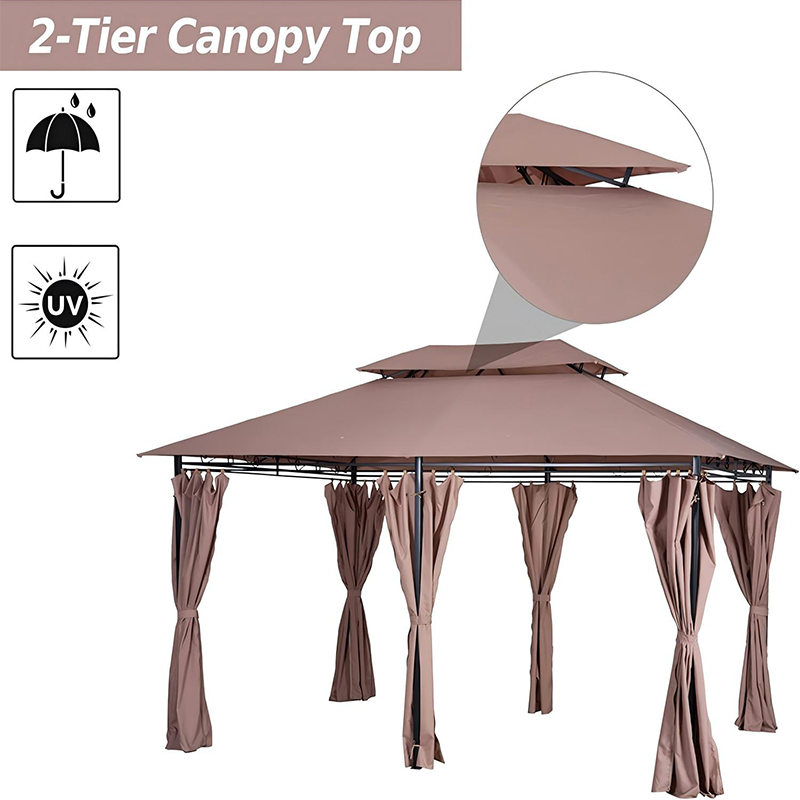 2-Tier Canopy Gazebo with UV Protection
-
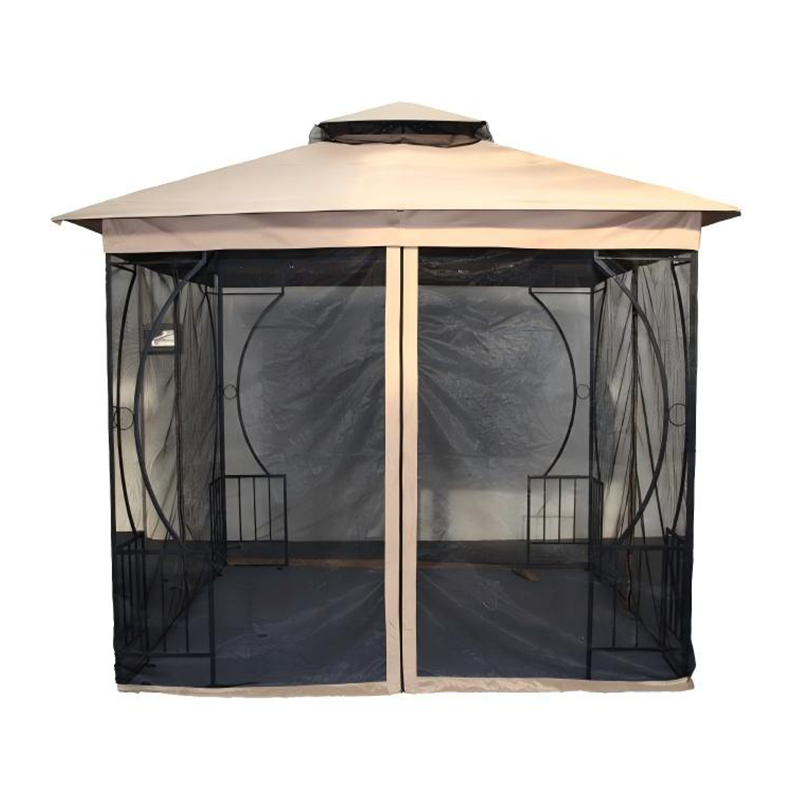 Soft Top Gazebo with Full Netting
-
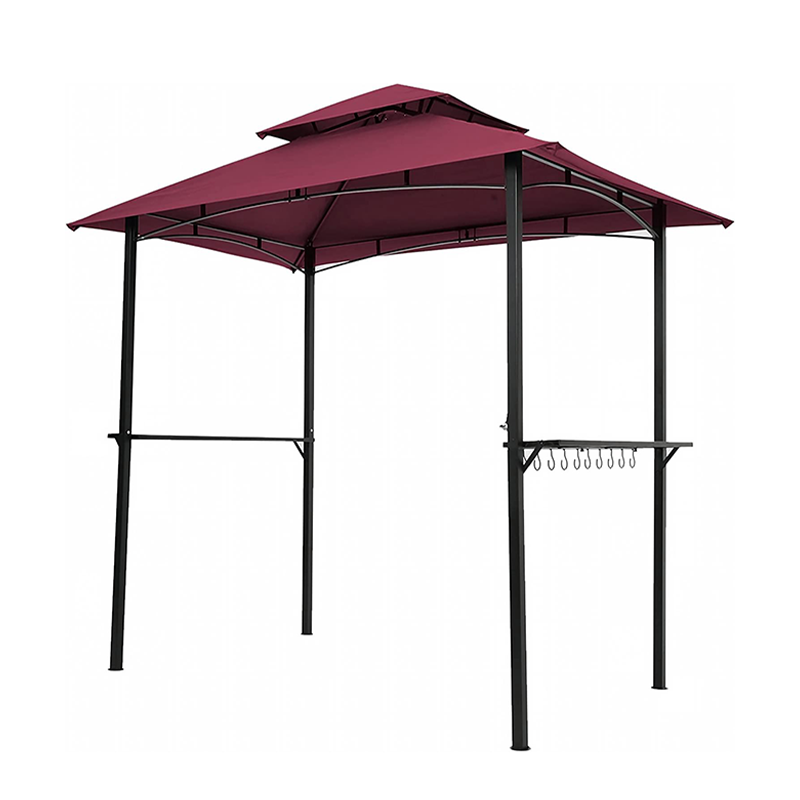 Grill Gazebo with Side Shelves
-
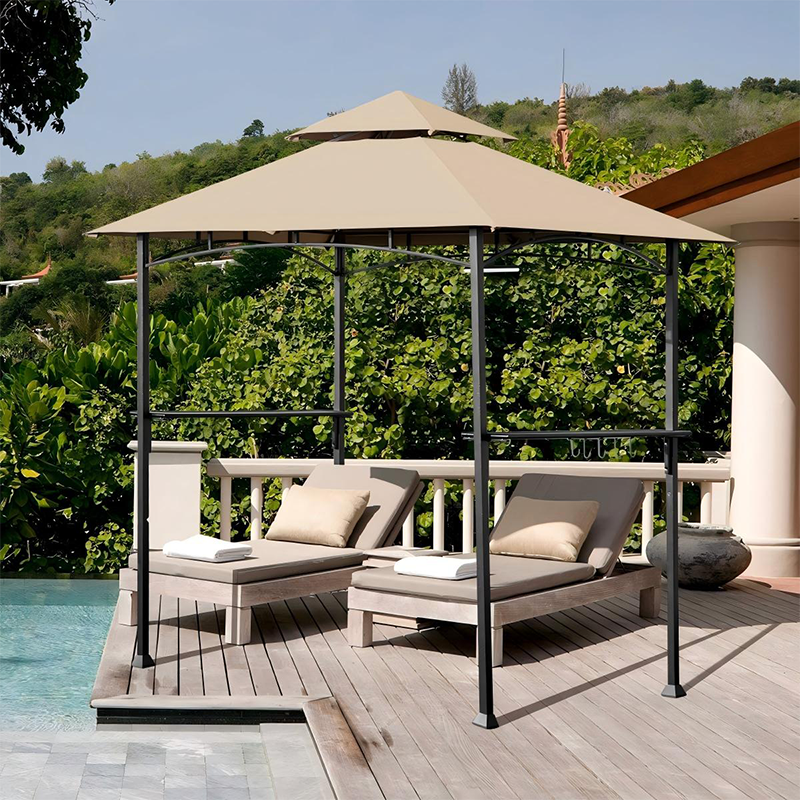 BBQ Gazebo with Bottle Opener and Shelves
-
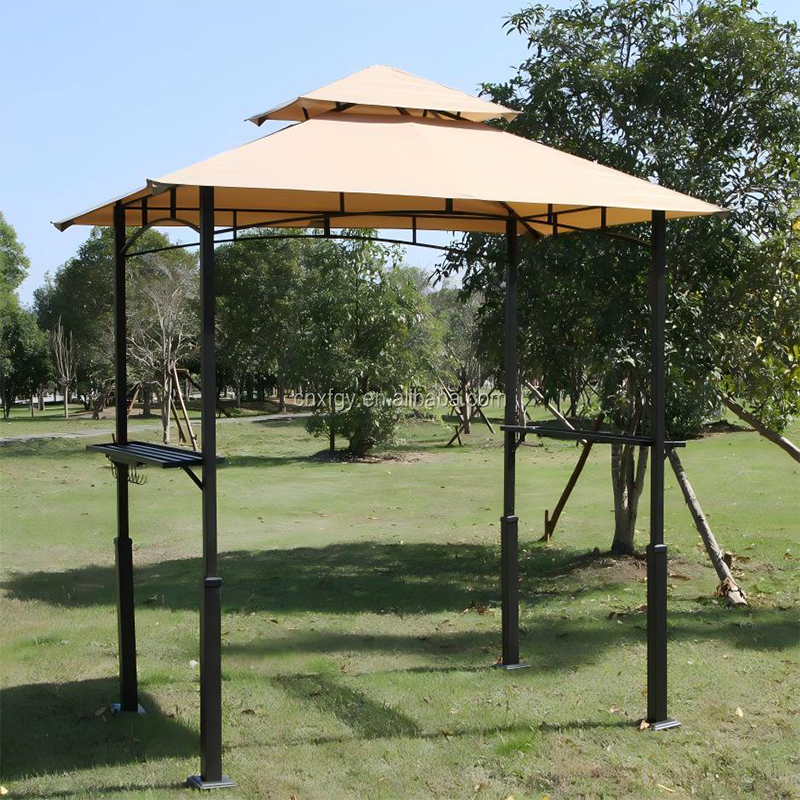 Beige Grill Gazebo with Side Shelves
-
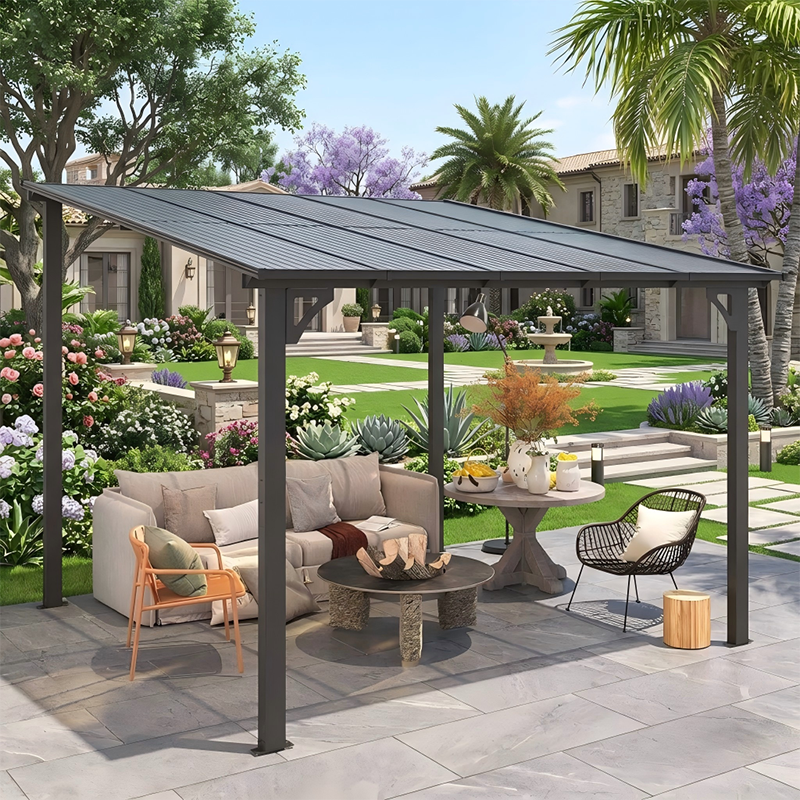 Aluminum Louvered Pergola for Patio

 +86-576-85121258
+86-13706576175
 sales1@xinfaoutdoor.com
sales3@xinfaoutdoor.com
 Furong Village, Gucheng Street, Linhai, Taizhou City, Zhejiang, China
Copyright © Linhai Xinfa Arts & Crafts Co., Ltd. Rights Reserved
Wholesale Outdoor Garden Awning/Gazebo Sun Shade Canopy Factory